
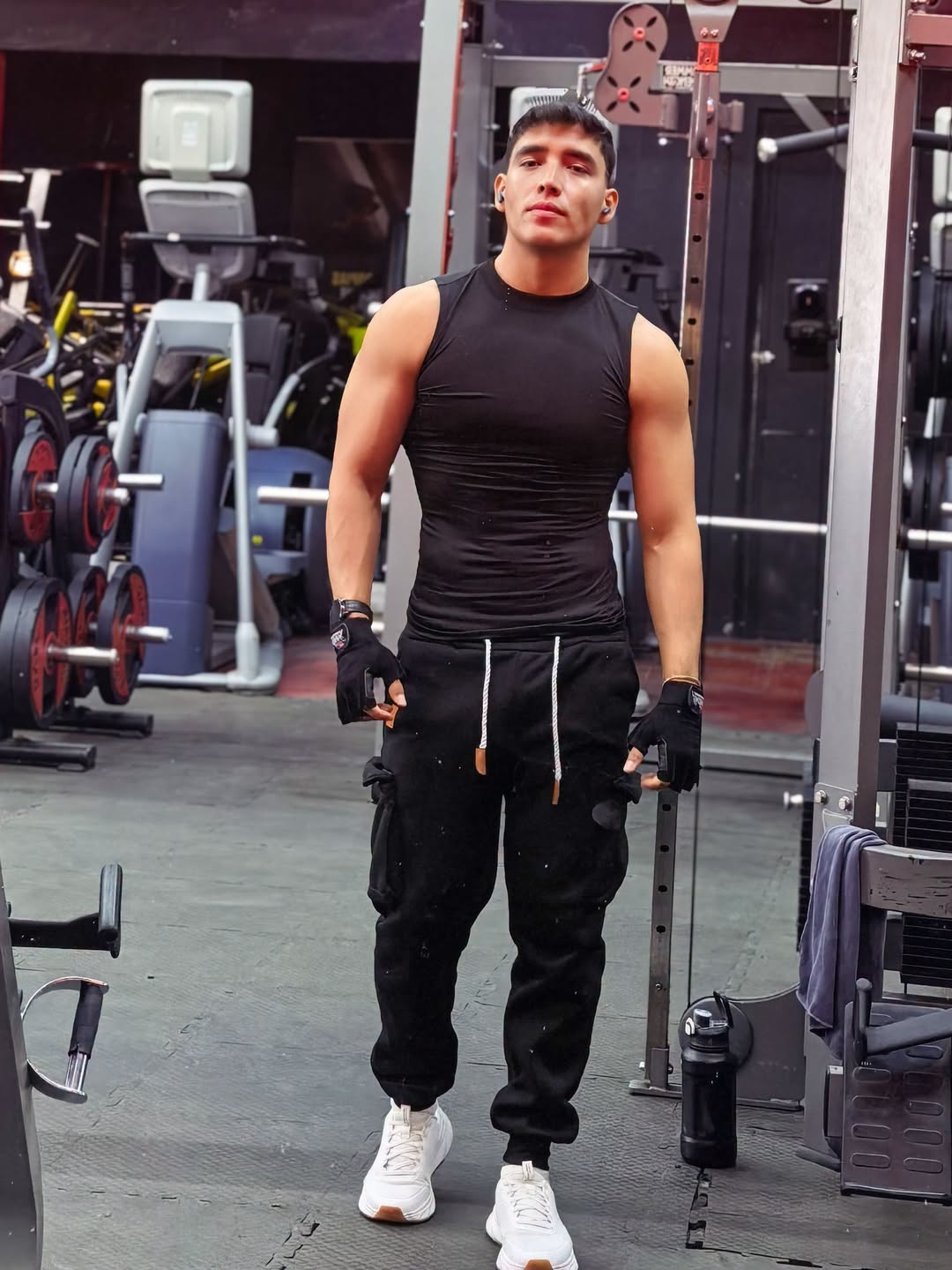
Strength Training: Why Building Muscle Matters for Everyone
Introduction
Exercise is an important part of a healthy lifestyle, and strength training is one of the best ways to improve physical fitness. While many people associate strength training with bodybuilding or lifting heavy weights, it can benefit almost anyone. From beginners to experienced athletes, regular strength exercises can improve muscle strength, endurance, balance, and everyday physical performance.

What Is Strength Training?
Strength training is a type of exercise that makes your muscles work against resistance. This resistance can come from free weights, resistance bands, gym machines, or your own body weight.
Common strength-training exercises include:
- Squats
- Push-ups
- Lunges
- Deadlifts
- Shoulder presses
- Rows
- Planks
The goal is to gradually challenge your muscles so they become stronger and more capable over time.
Benefits of Strength Training
1. Builds Stronger Muscles
Regular resistance exercise stimulates your muscles to adapt and become stronger. Stronger muscles can make everyday activities such as lifting, carrying, and climbing stairs easier.
2. Supports Healthy Bones
Strength training places controlled stress on your bones, which can help support bone strength and overall skeletal health as you age.
3. Helps With Weight Management
Muscle tissue requires energy to maintain. Combined with regular physical activity and a balanced diet, strength training can support a healthy body composition.
4. Improves Balance and Stability
Exercises that strengthen the legs and core can improve stability and coordination. This can be particularly valuable as people get older.
5. Improves Physical Performance
Whether you enjoy running, cycling, swimming, or recreational sports, stronger muscles can help you perform everyday movements and physical activities more efficiently.
A Simple Beginner Workout
If you’re new to strength training, start with basic movements and focus on proper technique:
Beginner Circuit:
- 10–15 bodyweight squats
- 8–12 push-ups
- 10 alternating lunges per leg
- 20–30 second plank
- 10–15 glute bridges
Rest for 60–90 seconds and repeat the circuit 2–3 times.
As you become more comfortable, you can gradually increase repetitions, resistance, or the number of sets.
How Often Should You Strength Train?
A beginner can start with two or three strength-training sessions per week, allowing adequate recovery between workouts. Consistency is more important than trying to do too much too quickly.
Always prioritize good form and controlled movements over lifting heavier weights.
Safety Tips
Before starting a new exercise program, consider your current fitness level and any physical limitations. Warm up before exercising, use proper technique, and increase the difficulty gradually. Stop if you experience sharp pain or unusual symptoms.
Conclusion
Strength training is more than just building bigger muscles. It can support stronger bones, better balance, improved physical performance, and a more active lifestyle. The best part is that you don’t need an expensive gym to begin—simple bodyweight exercises can provide an effective starting point.
Start small, stay consistent, and gradually challenge yourself. Your future self will thank you.


Leave a Reply